
Coheso Team
Coheso Team
A Day with Elizabeth Miller
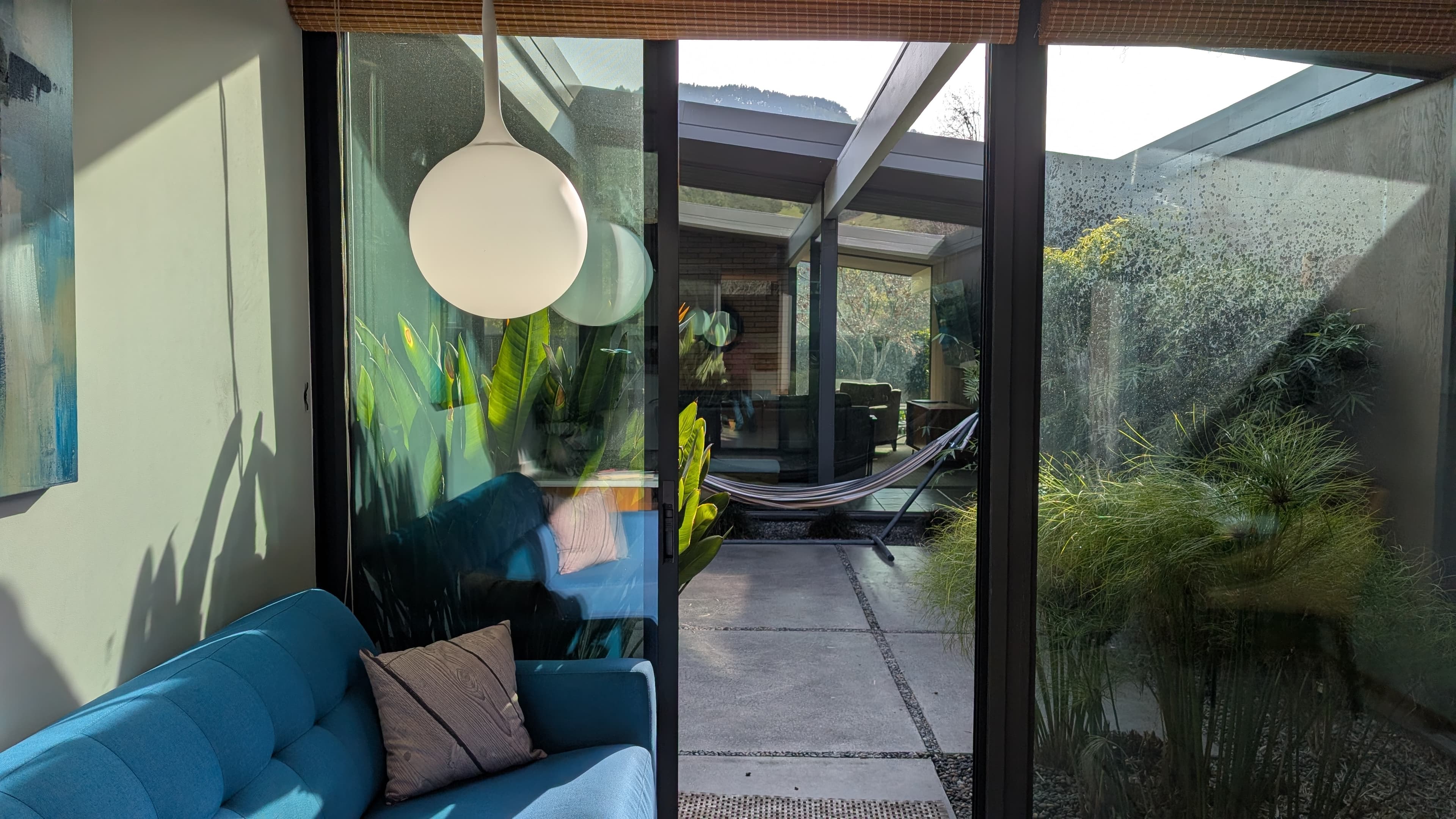
Meet Elizabeth Miller, legal operations leader at nonprofit Delta Dental, the largest dental benefits provider in the United States. From her home office overlooking the rolling hills of Marin County, just north of San Francisco, she leads a remote team spread across the country.
Elizabeth transitioned to legal ops after a career in finance and shaped the function at Boston Scientific, Dolby Laboratories, and Marqeta before joining Delta Dental. Within moments of meeting her, it is clear she is a doer.
"In finance, it was primarily reporting," she says. "Now it's like, do the things. Create the KPIs, then create the process to improve the KPIs, then show the performance enhancement through those KPIs."
Her current role shapes how legal connects to IT, finance, and HR. "Legal ops is like the hub of the wheel," she explains, "and the spokes go out to all the different practice areas and all our business partners. We're trying to keep everybody in sync and make sure we're all aligned."
At a Glance
What's on your desk?

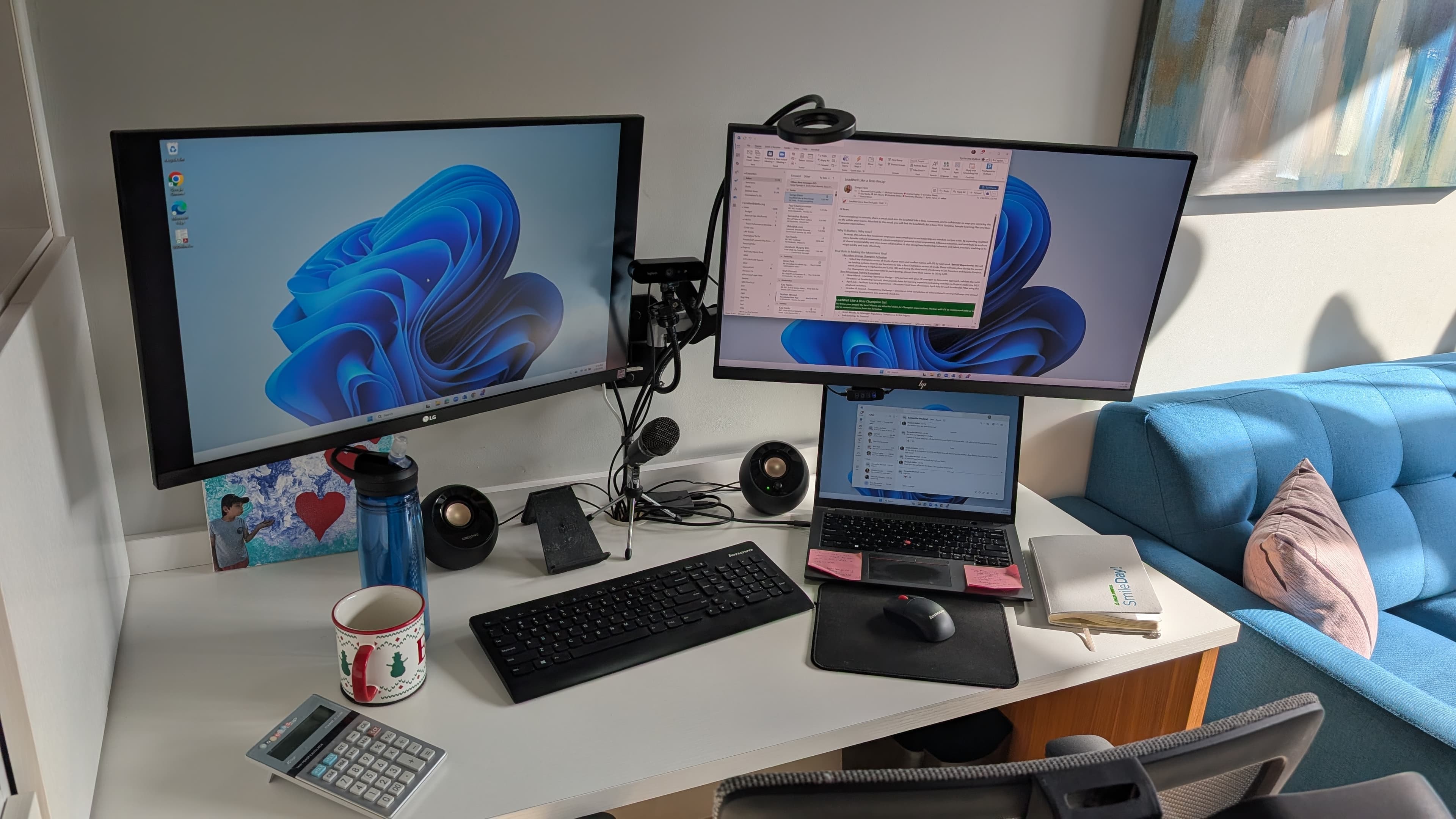
- Always a calculator and as many monitors as possible. "It's the finance in me." The calculator is from her days at Boston Scientific and still has the stickers with her name on it that her Procurement Manager added.
- Decaf coffee, water, and flavored seltzer sit next to one another.
- Her phone stays within arm's reach. "I try to be accessible."
- A paper notebook holds handwritten notes. "I think it helps me remember more. When I take a note, I know exactly where to find it. I'm constantly flipping back when I'm in a meeting to make sure I'm relaying things correctly. Always a paper notebook."
- Nothing else. Her tidy husband will find a place for odds and ends if they wander into her home office.
What's on your playlist?
Spotify has been serving up Sabrina Carpenter and Taylor Swift lately. When Elizabeth is leading the algorithm, classic rock takes over. "When I'm in my kitchen at the end of the day, it's usually 80s or mellow 70s."
"When I used to commute, it was always Grateful Dead or Michael Jackson because it's so uplifting. Every commute here is just so beautiful. No matter where you're coming from, you're going to hit the bay or a beautiful bridge."
What do you wish in-house counsel understood about your role?
"In general, I wish in-house counsel understood that working in corporate legal departments is very different from working at a law firm. Legal spend is now scrutinized like the rest of corporate spend. There is a lot of work that goes into negotiating and analyzing legal department spend. With both technology and outside counsel spend, it is no longer the case that we simply pay whatever is quoted. We have to meet a certain budget and are responsible for the expenses of the company. Regardless of level, you have to be accountable for what you're spending."
The Fire Department
"When I was in finance, my team used to joke that they should rename us the fire department, but it's even more true of legal ops, because we're constantly trying to drive change across multiple projects simultaneously."
In true West Coast fashion, Elizabeth starts her day in problem-solving mode. "As soon as I wake up, I'm reaching for my phone to see if anything urgent needs my attention. I mean, that's probably everybody, right?"
With team members spread from Atlanta to Seattle, early morning fires can demand quick responses. There is no true start or end to her day. She takes a work-life integration approach with a never-done mentality that makes her effective.
As a self-proclaimed Pilates mom of Marin (a new and unexpected label), Elizabeth keeps her priorities in check and finds time to care for herself during demanding weeks.
Being a mom makes her more efficient with her time. "When you are spending time building little humans, you have to be more and more ruthless with prioritization. If something is important, it gets done. If it isn't, it stays on the list."
Let Them Flex
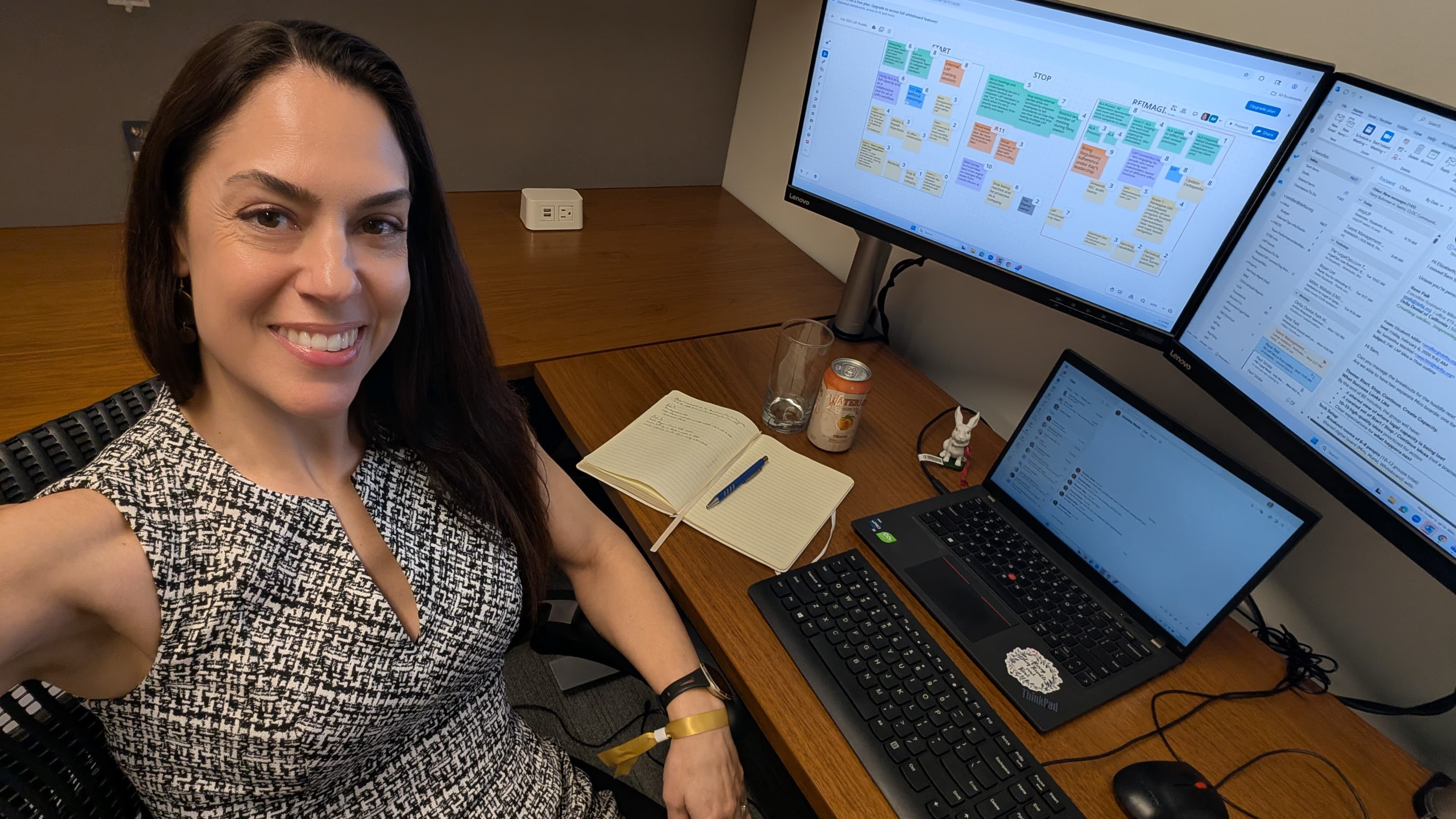
"Our goal is to take away the manual, tedious work and let our attorneys be attorneys. Let them flex the muscles they went to law school for and focus on that higher strategy, higher value work."
The legal ops team finds where it can automate less important work and make things easier for the broader legal team. Understanding where those levers are relies on collecting data and proactively identifying areas for improvement.
Elizabeth's current focus is talent review and succession planning. Every time she steps into a new company, she brings accumulated knowledge and skills from prior environments and works with her team to adapt those practices to their unique context.
"My top priority is developing my team and making sure that we are happy and working on things that are impactful, important, and rewarding."
With limited bandwidth and big scope, Elizabeth has a no-waste mentality. "I'm a big proponent of working with what you already have before looking elsewhere to fill gaps, whether that's growing your teams' capabilities or optimizing your existing tools."
When Elizabeth joined Delta Dental, she brought together two separate teams that didn't have much interaction. For their bi-weekly meetings, she asked them what would be most impactful.
She heard: "Let's not talk about the work and the deadlines. Let's get to know one another."
This aligned with her approach to team building. "When you put that investment in up front it completely changes the dynamic. You're a lot more accommodating with somebody that you're friendly with and who you like and know. I love that they wanted to focus on connection."
The team is taking steps toward more in-person connection. Leadership comes together two days a month. Elizabeth finds time to meet with her boss, a short drive away, at a local coffee shop. A vibrant legal ops community nearby provides additional opportunities for learning and connecting.
Communication channels remain central to connecting with her immediate team. Elizabeth lives on email and Teams, giving more urgency when someone flags her for a quick response. Lengthy emails are another story. "TLDR is real. I wish the world would speak in bullets so I'm loving the summarization features of AI."
Trust Is Everything
Driving change looks different depending on the risk appetite of your company. Delta Dental is a nonprofit focused on improving oral health and improving access to care in lower income communities. The focus as a company is on health outcomes over profit.
Despite her analog notebook allegiances, Elizabeth is working hard to modernize the legal function. "We need to get more automated and less manual." No small feat for an insurance company that is extremely careful with data. "We are very cautious. It's hard to get things done at the pace I'm used to."
Success comes from stakeholder socializing and alignment. "Trust is everything. In my role here, there are a lot of interactions with other departments who might have similar or competing needs."
Choosing the right tool is critical at risk-averse organizations where pivots are harder to implement. "Ultimately, we're going to operate at the pace the organization is comfortable with."
Staying resilient is an important aspect of the role, especially when pursuing goals the organization isn't ready for yet. Her team operates with agility, navigating roadblocks and redirecting when necessary.
Keeping team morale high and creating psychological safety matters. As subject matter experts, the legal ops team offers recommendations backed by research and experience. Data helps overcome resistance and concerns.
"When working with my team, it's so important to show appreciation, especially when they are feeling deflated when an unexpected hiccup is encountered."
"My love of data helps me. I have an enterprise-first mentality and think in terms of what is best for the company versus what is best for me or my team. I love explaining the data behind my recommendations."
When things don't go as planned, Elizabeth believes in transparency. "It's healthy to acknowledge the small wins along with the frustrations to validate feelings and find a path forward without guilt or blame."
Legal ops at its core is about keeping everything in sync and moving forward. The work is never finished.
"I'm so confused by people who say they finished their work and are done for the day," she says. "What do you mean you finished your work?"